
The Silent Shift: Autonomous Port Operations as a Hidden Inflection in the Energy Transition
Emerging technological disruptions in maritime logistics indicate a potentially transformative inflection within the global energy transition. Autonomous port operations, stimulated by stringent decarbonization mandates, could recalibrate capital flows, regulatory frameworks, and industrial ecosystems in unexpected ways over the next two decades.
This paper identifies the rapid advance of energy-optimized autonomous equipment and port management software as a structurally significant signal currently underappreciated within energy transition discourse. Its systemic impact extends beyond incremental efficiency gains, portending shifts in how energy consumption, emissions accountability, and supply chain resilience are governed globally.
Signal Identification
The development of autonomous port operation systems constitutes an emerging inflection indicator. It qualifies as such because it is neither mere incremental innovation nor a currently dominant trend; instead, it introduces a systemic shift that redefines maritime logistics energy use and carbon intensity under new international mandates.
The International Maritime Organization’s (IMO) 40% carbon intensity reduction target for 2030 is directly accelerating investment in autonomous systems for ports (Fairfield Market Research 10/12/2023). This regulatory stimulus gives a concrete and near-term driver, establishing high plausibility for scaling in the 5–10 year horizon. Sectors primarily exposed include maritime shipping, port infrastructure, energy management services, and logistics software.
Plausibility is assessed as high given regulatory enforceability and capital commitments visible in port equipment modernization. However, broader structural implications on global energy governance and industrial positioning likely unfold over 10–20 years.
What Is Changing
Current energy transition narratives emphasize decarbonization of energy sources and adoption of electric vehicles or buildings (Energy UK 15/01/2024; Straits Research 22/11/2023). Less recognized is the transformative effect of automating and optimizing port operations, a critical logistics bottleneck where energy consumption and carbon emissions have long been challenging to govern effectively.
International shipping accounts for approximately 3% of global CO₂ emissions, but ports have been overlooked compared to vessel fuel types or cargo transport modes. The IMO’s decarbonization mandate forces a vertical integration of emissions accountability inward to ports, disrupting the traditional separation between shipping emissions and port infrastructure management (Fairfield Market Research 10/12/2023).
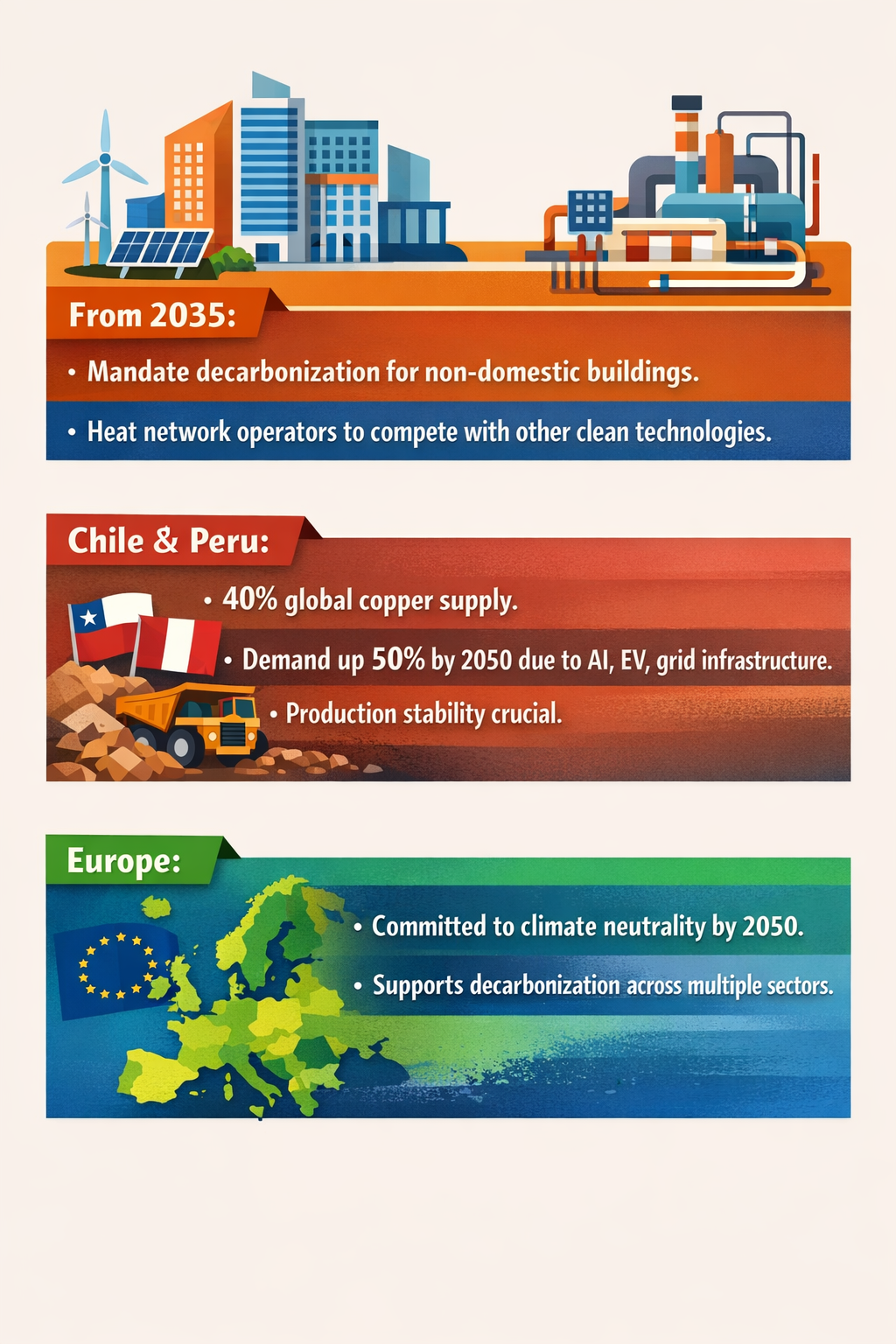
Europe’s aggressive climate neutrality commitment pushes parallel developments in decarbonizing transport and infrastructure systems, including electrification and digitization of cargo handling (Persistence Market Research 03/03/2024). This systemic demand supports port automation as a fulcrum for energy optimization across multiple ecosystems. Similarly, regulatory frameworks involving international carbon credits suggest emerging climate diplomacy strategies that could integrate port emissions governance within broader market mechanisms (Clean Energy Wire 11/02/2024).
On the financing front, cooperation among major emerging economies through instruments like the BRICS Multilateral Green Infrastructure Initiative (MGI) indicates differential but complementary pathways for investments in these technologies in higher-risk geographies (ORF Online 18/01/2024). This suggests a bifurcated trajectory where advanced economies lead rapid scaling while others adopt more incrementally.
Disruption Pathway
The deployment of energy-optimized autonomous port operations may accelerate as the IMO decarbonization mandate tightens enforcement and issuer penalties increase. Ports will face growing regulatory pressure to meet carbon intensity targets, prompting capital shifts away from legacy equipment and labour-intensive practices towards automated, software-driven systems.
As autonomous technology reduces energy waste and optimizes cargo throughput, it stresses existing labor models and port operating agreements, forcing a reconfiguration of workforce structures and industrial relations. Ports may evolve into hybrid infrastructure-technology platforms, integrating real-time energy management, autonomous handling, and digital carbon tracking.
This evolution could catalyze a feedback loop: improved sustainability credentials attract additional capital and regulatory support; investment in port automation incentivizes similar innovation upstream and downstream in shipping and logistics networks; enhanced data transparency enables new carbon credit instruments and trading tied specifically to port emissions.
Over time, dominant industry models may shift from siloed port authorities towards integrated digital ecosystem operators managing vast networks of AI-enabled logistics and energy assets. Governance may move from national regulation alone towards multilateral coordination, as emissions trading schemes increasingly incorporate port-level carbon data.
Why This Matters
For capital allocators, recognizing autonomous port systems as a structurally impactful segment may redirect investment from marginal clean technologies towards infrastructure automation with outsized energy impact. This involves new risk profiles relating to technology adoption, cybersecurity, and regulatory compliance.
Regulators must anticipate emerging governance issues as AI-driven infrastructures blur traditional operational ownership and accountability for emissions. Coordinated rule-making may be required to standardize emissions measurement and auditing in automated ports.
Industry incumbents in logistics, shipping, and heavy equipment manufacturing face disruptive competitive pressures from this shift. Realignment of supply chains towards energy-optimized, autonomous nodes could advantage firms controlling digital platforms over traditional asset owners.
In strategic positioning, early movers in port automation may gain leverage in geo-economic competition, especially as industrial clusters pivot to integrating green energy sources with autonomous logistics capabilities.
Implications
Autonomous port operation systems could plausibly become a structural lever in global energy transition strategies, not merely a technology niche. They may redefine how carbon intensity compliance is achieved logistically, influencing capital allocation and industrial policy for trillions in shipping and transit assets.
Though not a replacement for decarbonizing fuel sources or electrifying vehicles, this signal may link digitalization, energy efficiency, and regulatory innovation in ways currently under-appreciated. It should not be conflated with general automation hype nor presumed to be universally adopted without regulatory drivers.
Alternative interpretations might view autonomous ports as incremental within wider decarbonization efforts or as geographically limited to advanced economies; however, the regulatory and financing trends suggest broader scaling potential.
Early Indicators to Monitor
- Patent filings and R&D investments in autonomous port handling equipment and digital energy management tools
- CapEx patterns shifting towards AI-enabled port infrastructure and software solutions
- Regulatory drafts specifying port-level carbon intensity measurement and reporting standards
- Venture and project finance clustering around integrated port automation and decarbonization platforms
- Formation of international standards bodies or governance coalitions focusing on maritime digital emissions accounting
Disconfirming Signals
- Significant delays or rollbacks in IMO carbon intensity mandates or enforcement timelines
- Resistance or stagnation in capital flows toward port automation technologies due to cost or labor opposition
- Lack of convergence in international regulatory or carbon market frameworks incorporating ports
- Dominance of alternative decarbonization methods rendering port automation energy gains marginal
Strategic Questions
- How can capital deployment be optimized to balance technology risk with strategic positioning in autonomous port operations?
- What regulatory frameworks and international cooperation mechanisms are necessary to standardize and enforce port-level carbon accounting?
Keywords
Autonomous port operations; Maritime decarbonization; IMO regulations; Energy transition; Port automation; Carbon intensity; Logistics digitalization; Carbon trading
Bibliography
- The International Maritime Organization's decarbonization mandate requiring a 40% reduction in carbon intensity by 2030 is directly accelerating investment in energy-optimised autonomous handling equipment and port management software. Fairfield Market Research. Published 10/12/2023.
- Europe's commitment to achieving climate neutrality by 2050 continues to support long-term adoption of decarbonization solutions across multiple sectors. Persistence Market Research. Published 03/03/2024.
- The European Union's plan to use international carbon credits to ease pressure on domestic decarbonization under its Emissions Trading System could boost global climate action and offer new climate diplomacy opportunities for the EU. Clean Energy Wire. Published 11/02/2024.
- If operationalised, the BRICS MGI could provide a complementary instrument to NDB lending for energy transition projects in higher-risk member states. ORF Online. Published 18/01/2024.
- From 2035, legislating for the decarbonization of non-domestic buildings would be the most effective and low-cost option for Government, as heat network operators would be competing on price with other clean heat technologies. Energy UK. Published 15/01/2024.